
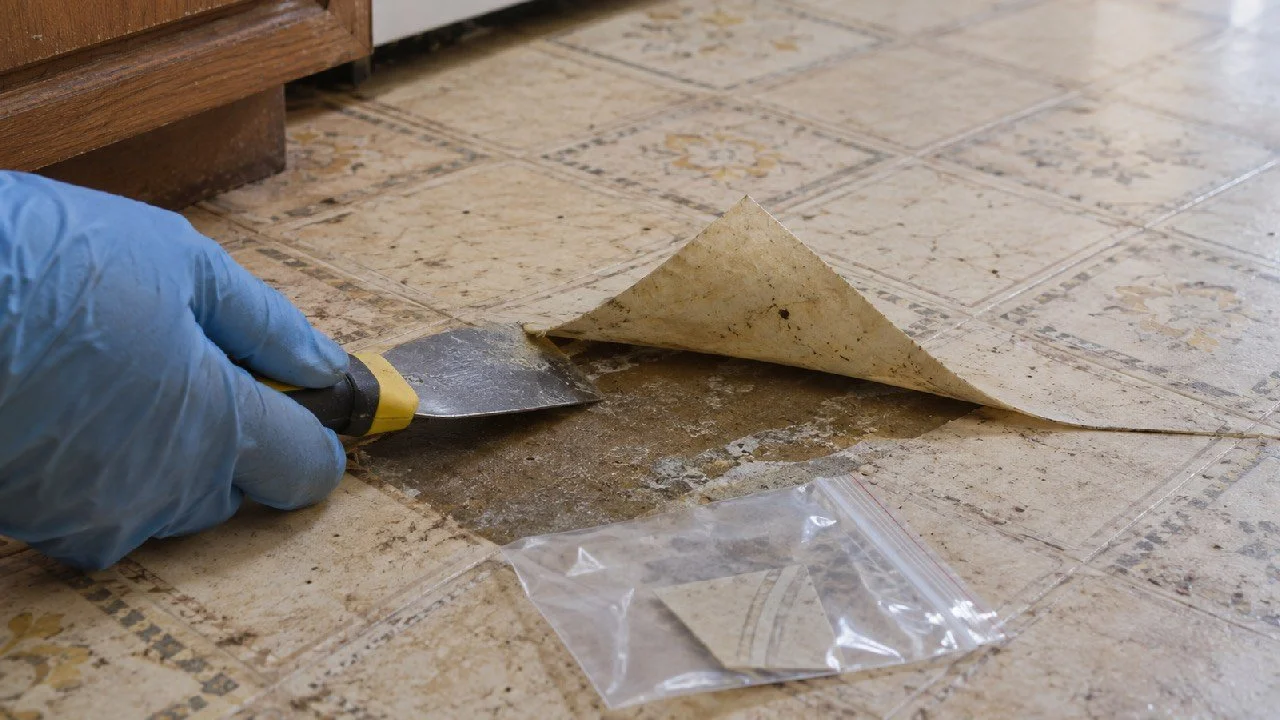
If your North Vancouver home was built before 1990, have it tested for asbestos before your kitchen renovation starts. In older kitchens, asbestos can hide in flooring, drywall compound and ceilings.
Skipping this step puts your family and crew at risk and can stall your project. In the District of North Vancouver, inspections can't be booked until hazardous materials are cleared.
This guide is for owners of older North Vancouver houses, townhouses and condos planning kitchen renovations. It covers where asbestos hides, how testing works, who can remove it, and how to plan around it.
Why Pre-1990 Homes Need an Asbestos Check
Asbestos was widely used in BC building materials until the early 1990s. About 32% of Greater Vancouver homes were built before 1990.
The risk comes when renovation work cuts, sands or tears out materials that contain it. A hazardous materials survey also checks for lead paint, which is likely in homes built before 1960.
Where Asbestos Hides in a Kitchen
In older kitchens, these are the usual places to check:
Flooring: Vinyl tiles, linoleum sheet flooring and the adhesive underneath.
Walls and ceilings: Drywall filling, patching and joint compound.
Electrical: Older outlets, switches and wiring insulation.
Windows: Old window putty.
WorkSafeBC's guide to common asbestos sources shows more. You can't spot asbestos by looking; only a lab test confirms it.
How Asbestos Testing Works Before a Kitchen Renovation
Testing and removal follow a clear order:
Survey: A qualified person samples the materials your renovation will disturb, and an accredited lab tests them.
Removal: If asbestos is found, a licensed abatement contractor contains or removes it, using the survey report.
Sign-off: In the District, a qualified person confirms in writing that the materials were removed or contained before inspections.
Renovation: Your kitchen work goes ahead.
Your kitchen renovation permits still apply alongside these steps.
Who Can Remove Asbestos in BC?
Since January 1, 2024, asbestos abatement contractors must be licensed by WorkSafeBC. Before anyone removes asbestos from your home, check their name in the WorkSafeBC licence registry.
Plan Your Older-Home Kitchen With Us
Our owner, Joey Heilman, has 31 years as a renovation contractor and holds an AHERA asbestos certificate. We know where asbestos tends to hide in older North Vancouver kitchens.
Every project starts with an in-home consultation and a written estimate, so testing can be planned before work begins.
Renovating an older kitchen? Call 778-893-7818 or request a free quote.
FAQs about Asbestos in a Kitchen Renovation
Here are quick answers to common questions:
Does my condo need an asbestos test?
Yes, if it was built before 1990. WorkSafeBC's testing advice applies to homeowners, strata councils and property managers.
Can I test for asbestos myself?
No. A qualified person should take the samples, and an accredited lab should test them.
Can my renovation contractor remove asbestos?
Only if they're licensed for asbestos abatement. Check the WorkSafeBC registry before work starts.
Can homes built after 1990 contain asbestos?
Sometimes. WorkSafeBC notes it's more common in older homes but can turn up in newer ones built with older materials.
Do I need a test if I'm only replacing cabinets?
If the work will disturb walls, floors or ceilings in a pre-1990 home, yes. Test before any work that could disturb asbestos.